


playtime login | Exploring the World of Simulation Games: The Role of Playtime and Login Strategies
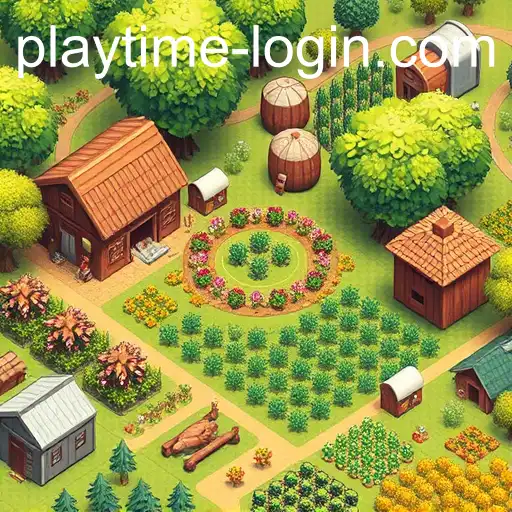
Simulation games have long been a staple in the gaming industry, captivating players with their unique ability to mimic real-life scenarios, while providing an engaging and interactive experience. These games offer a diverse array of themes, ranging from city-building and farming to life simulation and business management. Central to the experience of simulation games is the concept of 'playtime login,' which involves players managing their time and actions within the game, much like they would in the real world.
For many avid players, simulation games are more than just a form of entertainment; they become a part of their daily routine. The concept of playtime and login strategies is critical in simulation gaming, as these games often require players to invest time on a regular basis to achieve their goals and progress through different levels or scenarios. This element of time management can be seen in games like 'The Sims,' where players control the daily activities of virtual characters, or 'Animal Crossing,' which operates in real-time, requiring players to check in frequently to maintain their in-game communities.
Incorporating effective playtime login strategies not only enhances the player's experience but also aids in fostering a sense of achievement and continuity. Many simulation games are designed with mechanics that encourage players to log in at specific times. These can include daily rewards, events scheduled for particular times, or even specific tasks that need to be completed during certain intervals. For example, in 'FarmVille,' players are incentivized to log in to harvest their crops and collect rewards before they spoil. This gamified form of time management encourages players to develop a routine around their gaming schedules.
Moreover, these login strategies often integrate with a player's lifestyle, allowing them to balance gaming with other responsibilities. For developers, understanding the importance of playtime dynamics is integral to designing engaging simulation experiences. By offering flexibility and rewarding time investments, developers can maintain player interest and ensure long-term engagement with their games.
In conclusion, simulation games offer players a sandbox where they can explore, create, and manage virtual worlds akin to real life. The incorporation of playtime login strategies adds a layer of depth and realism, encouraging players to develop management skills that can be applicable beyond the gaming realm. These elements not only enhance the gaming experience but also create a meaningful connection between the player and the virtual world. As simulation games continue to evolve, mastering the art of balancing playtime and login dynamics will remain a vital component in game development, ensuring these experiences remain both captivating and rewarding for players worldwide.
